
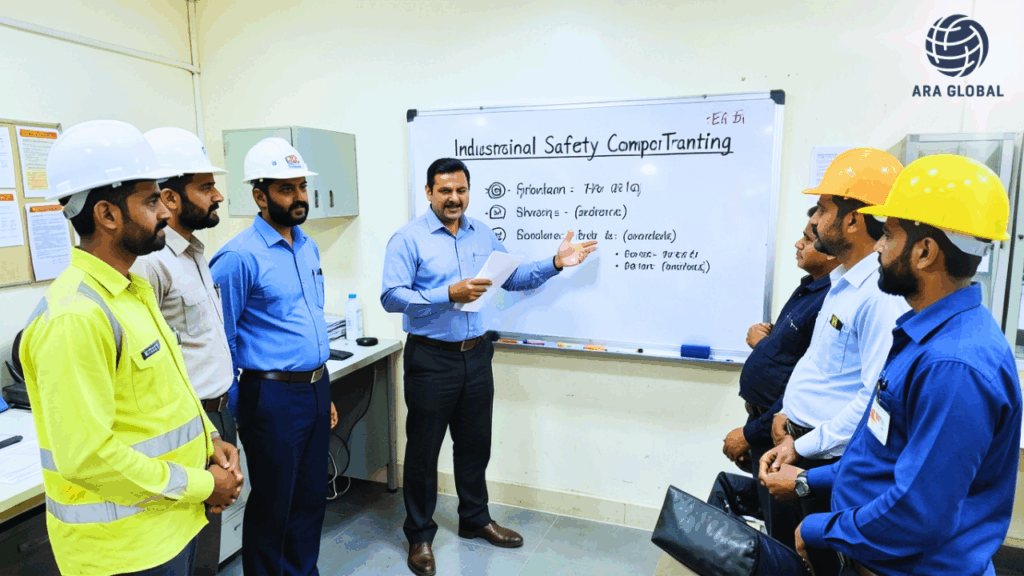
Industrial safety compliance training often appears as a routine responsibility. However, ignoring it creates hidden risks that slowly damage operations and reputation. Many organizations assume that installing equipment and displaying safety posters meets regulatory expectations. Unfortunately, compliance demands much more than visible controls.
Workplace incidents rarely happen without warning. Small procedural gaps, untrained staff, and outdated systems often trigger them. Therefore, decision-makers must understand the real cost of neglecting structured compliance training.
Financial Loss Beyond Fines
Most leaders focus on penalties when thinking about compliance. However, the real financial impact goes much deeper. Production downtime, medical expenses, insurance claims, and legal disputes increase costs significantly.
When companies overlook workplace safety legal requirements, regulators respond firmly. Moreover, repeated violations attract closer scrutiny and operational restrictions. As a result, minor compliance failures can escalate into long-term financial strain.
Operational Disruptions Multiply Quickly
Factories operate on tight timelines and production targets. Even one safety incident can halt operations for days. Meanwhile, investigations divert management attention from growth strategies.
Structured industrial safety compliance training helps prevent such interruptions. Employees understand procedures clearly and avoid risky shortcuts. Consequently, production stability improves and unexpected shutdowns reduce.
Reputation Damage Is Hard to Repair
Modern businesses operate in transparent environments. News of workplace incidents spreads quickly through media and digital platforms. Therefore, safety failures impact brand credibility beyond immediate penalties.
Companies that neglect employee safety regulation training risk losing client trust. Investors and partners prefer organizations that demonstrate strong compliance systems. Rebuilding reputation after a major incident takes years.
Legal Risks Increase With Negligence
Indian industries must follow strict workplace safety legal requirements. Authorities expect documented training records, drill reports, and updated procedures. Failure to provide evidence often leads to enforcement action.
Factory inspections now examine employee preparedness, not just infrastructure. Hence, companies without proper factory compliance training programs struggle during audits. Proactive compliance reduces legal exposure significantly.
Employee Morale and Retention Suffer
Workers value safe environments. When management ignores safety regulations, employees feel insecure and undervalued. This perception lowers morale and increases turnover.
Regular employee safety regulation training builds confidence among teams. Employees understand emergency procedures and compliance standards clearly. As a result, engagement and productivity improve across departments.
Hidden Productivity Costs
Unsafe workplaces create small but frequent disruptions. Minor injuries, machine mishandling, and procedural errors reduce efficiency. Over time, these small issues compound into major productivity losses.
Effective factory compliance training programs address operational risks directly. Workers learn safe handling techniques and proper documentation processes. Therefore, productivity becomes more consistent and reliable.
Strengthening Leadership Accountability
Compliance reflects leadership commitment. Senior managers must demonstrate responsibility through structured programs. Investing in industrial safety compliance training shows proactive governance.
Moreover, documented workplace safety legal requirements compliance protects management during audits. When organizations maintain transparent records, regulators view them more favorably. This credibility strengthens business relationships.
Building Long-Term Compliance Culture
Compliance cannot rely on occasional reminders. It requires continuous reinforcement and monitoring. Employee safety regulation training helps embed compliance into daily routines.
Similarly, structured factory compliance training programs align supervisors and workers with shared standards. Over time, safety becomes a normal operational priority rather than a forced directive.
Practical Checklist for Leaders
Before reviewing your compliance framework, ask critical questions. Do you conduct regular industrial safety compliance training across all departments? Are your records aligned with current workplace safety legal requirements?
Have you implemented updated factory compliance training programs after process changes? Do employees receive periodic employee safety regulation training to reinforce awareness? Honest evaluation reveals where improvement is necessary.
Conclusion: Prevention Costs Less Than Recovery
Ignoring compliance may save effort today, but it creates larger problems tomorrow. Financial penalties, production delays, and reputational damage often stem from preventable gaps. Companies that prioritize structured compliance programs reduce risk and strengthen stability.
Industrial safety compliance training protects employees, leadership, and long-term growth. If your organization wants to improve compliance readiness and reduce operational risk in India, now is the right time to act.
Our experienced safety professionals have supported multiple locations with structured assessments and training programs. Additionally, we provide compliance and audit management software to streamline your monthly reviews and documentation. To strengthen your compliance framework, connect with our sales team or email sales@araglobalinc.com.
