
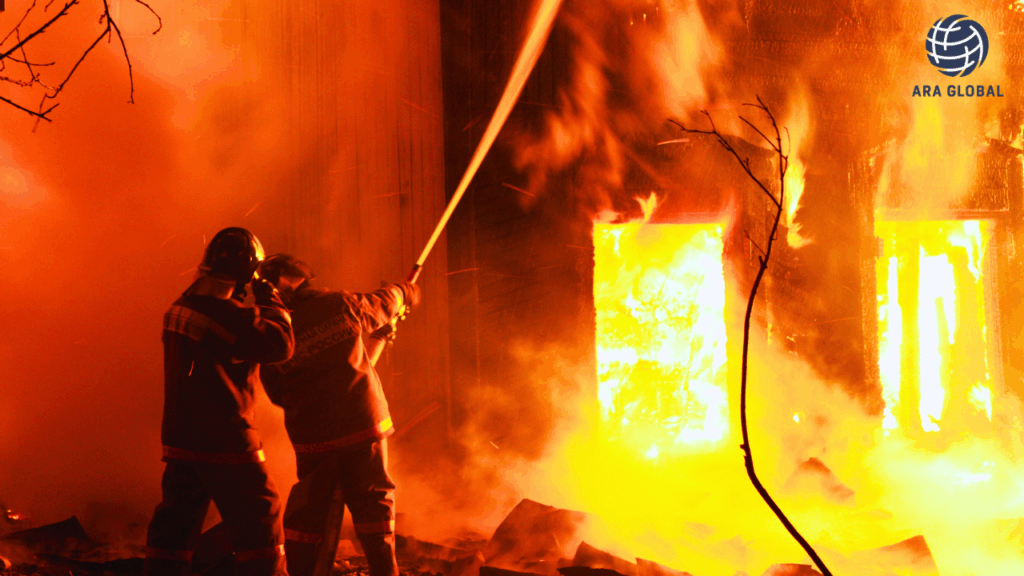
Fire Safety Training Requirements for Factories have become more important than ever as manufacturing facilities face increasing operational risks. A small electrical fault, overheated machine, or unsafe handling of flammable materials can quickly turn into a major emergency. While most factories invest in fire extinguishers and alarm systems, these measures alone cannot prevent injuries if employees do not know how to respond.
The first few minutes of a fire often determine whether an incident stays under control or becomes a serious disaster. Therefore, every factory must ensure employees understand fire hazards, emergency procedures, and evacuation responsibilities before an emergency occurs.
Why Fire Safety Training Matters
Many factory fires start from common workplace activities rather than major failures. Electrical panels, welding operations, combustible materials, and poor housekeeping practices can all create fire hazards.
When employees understand these risks, they identify unsafe conditions earlier and take corrective action before incidents occur. This makes training one of the most effective investments in workplace safety.
Understanding Fire Risks in Manufacturing
Every factory has unique fire hazards depending on its operations.
Common risks include:
- Electrical short circuits
- Overheated machinery
- Chemical storage areas
- Welding and cutting activities
- Flammable liquids
- Dust accumulation
- Improper waste disposal
A proper risk assessment helps companies build effective industrial fire safety training programs that address real workplace hazards.
Fire Prevention Comes First
The best emergency response is preventing the emergency from happening.
Employees should know how to:
- Handle flammable materials safely
- Maintain good housekeeping standards
- Identify overheating equipment
- Report unsafe conditions immediately
- Follow electrical safety practices
Conducting effective workplace fire prevention training helps employees recognize warning signs before they become serious incidents.
Train Employees on Fire Extinguishers
Many workers know where extinguishers are located. However, far fewer employees know when and how to use them correctly.
Training should cover:
- Types of fire extinguishers
- Different classes of fire
- Safe extinguisher operation
- Situations where evacuation is the safer option
Practical demonstrations improve confidence and help employees react appropriately during emergencies.
Evacuation Training Is Essential
During a fire emergency, confusion can be just as dangerous as the fire itself.
Employees should clearly understand:
- Emergency exit routes
- Assembly points
- Alarm procedures
- Reporting responsibilities
- Emergency communication processes
Regular factory emergency response training ensures employees know exactly what to do under pressure.
Conduct Fire Drills Regularly
Reading procedures is not enough. Employees must practice emergency actions through scheduled fire drills. These exercises help teams identify weaknesses in evacuation plans and improve response times. Fire drills also help managers evaluate whether employees understand emergency procedures and assembly requirements.
Assign Emergency Response Teams
Every factory should designate trained personnel to support emergency response activities.
These teams often assist with:
- Evacuation coordination
- Employee accountability
- Emergency communication
- Supporting external emergency services
Specialized industrial fire safety training prepares these individuals to handle additional responsibilities during emergencies.
Evaluate Employee Awareness
Training should never become a one-time activity.
Managers should regularly evaluate employee knowledge through assessments, toolbox talks, drills, and awareness programs. Continuous evaluation helps identify gaps before they become safety risks.
Note: Check your employees’ awareness of fire safety by taking this fire safety quiz and identifying areas where additional training may be required.
Common Training Gaps to Avoid
Many factories invest in safety systems but overlook critical training gaps.
Common mistakes include:
- Training only during onboarding
- Skipping refresher sessions
- Ignoring practical demonstrations
- Conducting infrequent fire drills
- Failing to update emergency procedures
Addressing these gaps significantly improves workplace readiness.
Factory Fire Safety Checklist
Review these questions regularly:
- ✔ Have fire hazards been identified across all work areas?
- ✔ Do employees understand fire prevention practices?
- ✔ Are workers trained to use fire extinguishers safely?
- ✔ Are evacuation routes clearly communicated?
- ✔ Have emergency response teams received specialized training?
- ✔ Are fire drills conducted regularly?
- ✔ Are training records maintained and reviewed?
A simple checklist like this helps organizations strengthen preparedness and improve compliance.
Conclusion
Fire emergencies rarely provide warning. The organizations that respond effectively are usually the ones that have prepared long before the emergency occurred.
Meeting Fire Safety Training Requirements for Factories is not just about compliance. It helps employees make better decisions, respond faster during emergencies, and protect both lives and operations.
Our experienced safety professionals have supported organizations across multiple locations with practical fire safety training, emergency preparedness programs, and workplace assessments. Additionally, we provide compliance and audit management software to streamline monthly safety reviews and documentation.
To strengthen your workplace fire safety systems, connect with our team or email sales@araglobalinc.com.
