
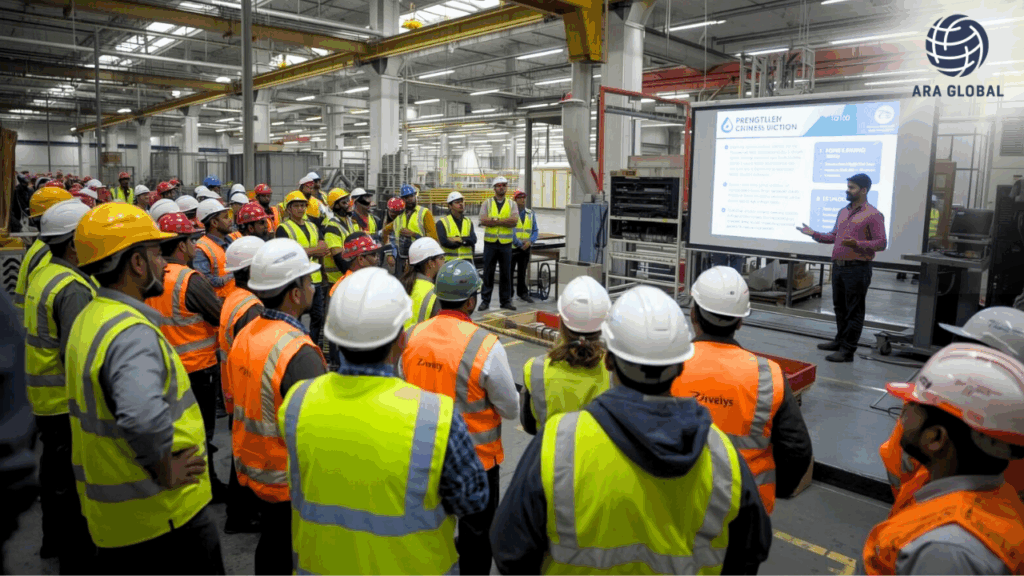
In today’s high-risk and high-accountability business environment, corporate safety training for employees has shifted from a supportive initiative to a business necessity. Across factories, offices, warehouses, and project sites, a single safety lapse can lead to injuries, downtime, legal action, and reputational damage. As regulations tighten and expectations rise, organizations can no longer afford informal safety approaches.
Many companies still treat safety training as a one-time requirement. However, that mindset no longer works. Regulatory bodies, clients, and insurers now expect structured systems, documented training, and measurable outcomes. As a result, safety training has become a leadership-level responsibility rather than an operational afterthought.
Safety Has Become a Core Business Responsibility
Earlier, safety was often managed by HR or administrative teams. Today, safety outcomes directly affect productivity, compliance, and profitability. Leadership teams are now held accountable for workplace safety performance.
Boards review safety metrics, clients demand proof of safe operations, and insurers evaluate training records before coverage approvals. Therefore, safety decisions influence business continuity just as much as financial or operational planning.
Why Corporate Safety Training for Employees Is No Longer Optional
Corporate safety training for employees plays a direct role in preventing incidents and protecting business operations. Without structured training, employees may unknowingly follow unsafe practices. Over time, these habits increase the risk of serious accidents and operational disruption.
When employees understand hazards and correct procedures, they act responsibly under pressure. This reduces downtime, improves confidence, and strengthens operational stability across departments.
Rising Importance of Safety Training Compliance for Companies
Indian workplace safety regulations have become stricter and more enforceable. Authorities now evaluate employee preparedness during inspections, not just safety equipment availability. Organizations must present proper training documentation to demonstrate compliance.
Safety training compliance for companies protects businesses during audits, investigations, and legal proceedings. Without clear records, even compliant workplaces face penalties, shutdowns, or reputational harm.
How Workplace Safety Training Programs Improve Productivity
Workplace accidents rarely affect only one individual. They disrupt workflows, delay production, and strain team morale. Investigations and corrective actions consume valuable leadership time.
Well-structured workplace safety training programs help employees identify risks early and respond correctly. As a result, incidents reduce, productivity improves, and operations remain predictable.
The Growing Need for Employee Safety Awareness Training
Employees today are more informed and safety-conscious than before. They expect organizations to protect their well-being and provide clear guidance. Without employee safety awareness training, trust and engagement decline.
Organizations that invest in safety education create a culture of responsibility. Employees feel valued, report hazards early, and follow procedures willingly, which strengthens overall performance.
Why One-Time Safety Training Is No Longer Effective
Annual safety sessions alone cannot address modern workplace risks. Work environments change frequently due to new machinery, updated processes, and workforce movement. Old training quickly becomes outdated.
Continuous workplace safety training programs keep employees aligned with current risks. Regular reinforcement prevents unsafe shortcuts and ensures safety remains part of daily behavior.
Corporate Safety Training in the Indian Business Context
India’s diverse workforce and regulatory landscape require localized safety training approaches. Generic programs often fail to address real operational challenges. Therefore, safety training must align with Indian laws and workplace realities.
Professional training providers design programs that balance compliance with practical application. This ensures better understanding, participation, and measurable safety outcomes.
How Safety Training Strengthens Business Credibility
Organizations with structured safety systems earn greater trust from clients and partners. Many contracts now require proof of safety training compliance for companies. Training records influence vendor selection and long-term partnerships.
Internally, safety training improves accountability and communication. Leaders gain confidence that teams can manage risks responsibly.
Conclusion: Safety Is a Strategic Business Investment
Corporate safety training for employees is no longer optional. It protects people, ensures compliance, and supports long-term business stability. Organizations that prioritize safety experience fewer disruptions and stronger workforce trust.
If your organization is reviewing its safety framework or planning structured safety initiatives in India, partnering with a professional corporate safety training provider can help identify gaps, strengthen compliance, and build a sustainable safety culture.
Our expert safety trainers have worked with organizations across locations to improve safety practices. We also offer digital tools that make compliance tracking and monthly audit management simple and effective. To discuss tailored training and compliance solutions, connect with our team or email sales@araglobalinc.com.
