
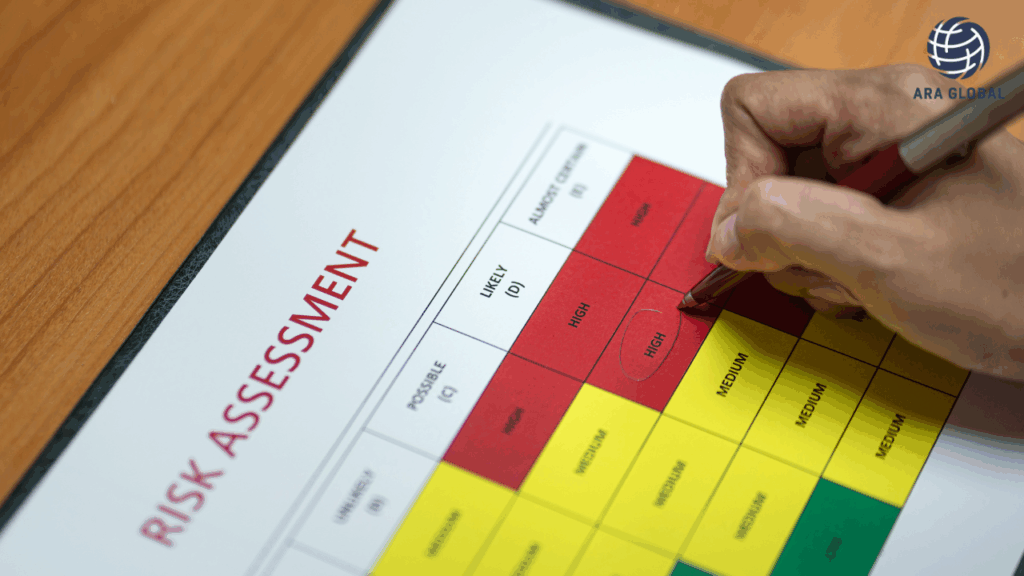
A fire risk assessment in manufacturing is one of the most effective ways to prevent workplace fires before they happen. Manufacturing facilities handle electrical equipment, flammable materials, chemicals, and heat-generating processes every day. Without a proper assessment, even a small hazard can quickly grow into a major emergency. Therefore, every organization should regularly evaluate fire risks and take action before incidents occur.
Many companies install fire extinguishers and alarm systems. However, these measures alone cannot eliminate fire risks. A thorough assessment helps identify potential hazards, improve emergency preparedness, and create a safer working environment for everyone.
Why Fire Risk Assessments Matter
Fire can interrupt production, damage valuable assets, and most importantly, put employees’ lives at risk. The good news is that many workplace fires are preventable.
A fire risk assessment allows organizations to identify unsafe conditions early. Instead of reacting to emergencies, companies can address problems before they lead to serious incidents.
This proactive approach not only improves safety but also strengthens compliance and business continuity.
Identify Industrial Fire Hazards
Every manufacturing facility has different risks depending on its operations. Start by inspecting areas where fires are most likely to occur.
Look for common industrial fire hazards, such as:
- Overloaded electrical panels
- Hot work activities like welding
- Flammable liquids and chemicals
- Poorly maintained machinery
- Dust accumulation
- Improper storage of combustible materials
Identifying these hazards is the first step toward effective fire prevention.
Evaluate Who Is at Risk
Once hazards have been identified, determine who could be affected. Consider employees working on production lines, maintenance teams, contractors, visitors, and anyone working near hazardous processes.
Some workers may face higher risks because of their daily responsibilities. Understanding this helps organizations introduce suitable safety measures for each work area.
Review Existing Fire Safety Controls
Next, evaluate the controls already in place. Ask questions such as:
- Are fire extinguishers easily accessible?
- Are emergency exits clearly marked?
- Do alarm systems function properly?
- Is emergency lighting tested regularly?
- Are evacuation routes free from obstructions?
If existing controls are inadequate, corrective actions should be taken immediately.
Reduce Risks Through Fire Prevention
Finding hazards is only one part of the assessment. The next step is reducing those risks. Simple improvements often make a significant difference.
For example:
- Repair damaged electrical equipment.
- Store chemicals correctly.
- Maintain machinery regularly.
- Improve housekeeping standards.
- Remove combustible waste promptly.
Strong fire prevention practices reduce the likelihood of workplace fires and improve employee confidence.
Involve Employees in the Process
Employees often notice risks that inspections may overlook. Encourage workers to report blocked exits, damaged electrical equipment, unusual smells, or unsafe storage practices.
Meanwhile, regular discussions about fire safety help create a workplace where everyone takes responsibility for preventing incidents.
When employees actively participate, fire safety becomes part of the organization’s daily routine rather than an occasional compliance activity.
Record Findings and Take Action
A fire risk assessment has little value if findings remain on paper. Document the hazards identified, the risks involved, and the corrective actions required. Assign responsibilities and realistic deadlines for completing improvements.
Review progress regularly to ensure every action has been completed successfully.
Review the Assessment Regularly
Manufacturing environments change constantly. New equipment, layout changes, additional production lines, or process modifications can introduce new fire risks.
For this reason, organizations should review their fire risk assessment in manufacturing whenever significant workplace changes occur or after any fire-related incident.
Regular reviews help keep safety measures relevant and effective.
Fire Risk Assessment Checklist
Before completing your assessment, confirm the following:
- Are ignition sources properly controlled?
- Are flammable materials stored safely?
- Have all industrial fire hazards been identified?
- Are fire extinguishers inspected regularly?
- Are emergency exits clearly marked and accessible?
- Have employees received fire safety training?
- Are emergency procedures reviewed periodically?
A simple checklist like this helps organizations identify gaps before they become serious safety issues.
Common Mistakes to Avoid
Many companies perform fire assessments simply to meet compliance requirements.
Unfortunately, this often leads to common mistakes such as:
- Rushing the inspection
- Ignoring small hazards
- Failing to involve employees
- Not reviewing assessments regularly
- Delaying corrective actions
An effective assessment should always lead to practical improvements, not just completed paperwork.
Conclusion
A fire risk assessment in manufacturing is more than a compliance exercise. It is a practical process that helps organizations identify hazards, improve fire prevention, and protect employees before an emergency occurs.
At ARA Global, our experienced safety professionals support organizations with fire risk assessments, workplace safety training, compliance audits, and digital safety management solutions. We help businesses build safer workplaces through practical guidance and industry-focused expertise.
To strengthen your fire safety program, connect with our team or email sales@araglobalinc.com.
