
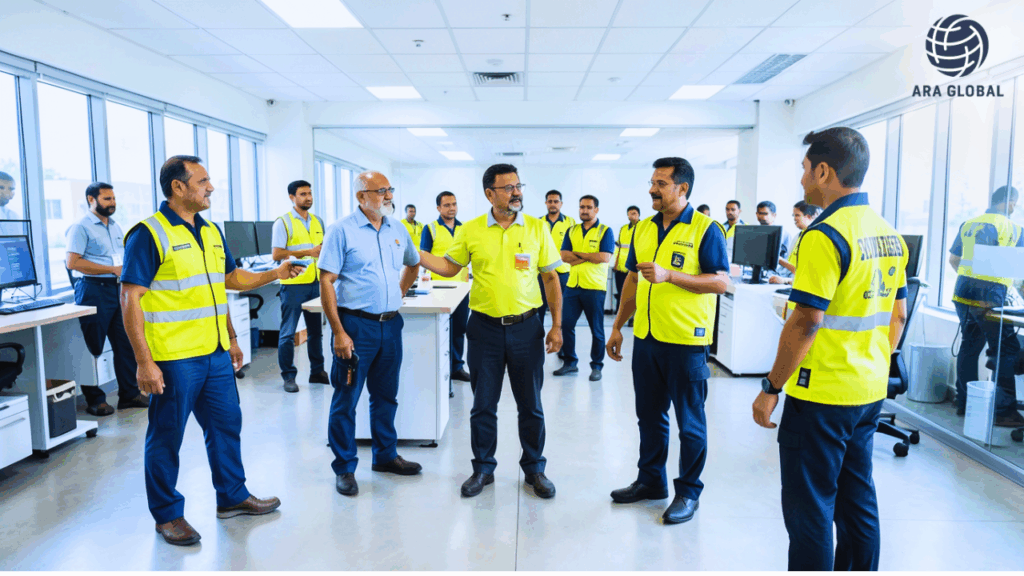
Emergency response training for employees is no longer something companies can postpone. Every workplace faces unexpected risks, whether from fire, electrical faults, chemical leaks, or natural disasters. However, many organizations assume they are prepared simply because they have fire extinguishers and alarm systems installed.
Real preparedness goes beyond equipment. It depends on how people react during pressure. Therefore, leaders must ask a serious question: if an emergency happens today, will your team respond calmly and correctly?
Why Preparedness Cannot Be Assumed
Many companies believe they are safe because they have written policies. However, documents alone do not prevent panic. People need clarity, confidence, and practice.
Workplace emergency preparedness starts with awareness, but it grows through training. When employees understand their roles clearly, they respond faster. As a result, damage and confusion reduce significantly.
The Real Cost of Unprepared Teams
An unprepared workforce often reacts emotionally instead of logically. Small incidents can escalate quickly when people lack direction. Meanwhile, delays in response increase injuries and operational losses.
Structured emergency response training for employees helps teams act with confidence. Employees learn who leads, who evacuates, and who coordinates communication. Consequently, emergency situations become more controlled and less chaotic.
Building Strong Workplace Emergency Preparedness
True workplace emergency preparedness involves planning, communication, and repeated drills. Leaders must clearly define responsibilities for supervisors and safety officers. Additionally, evacuation maps and assembly points must remain visible and updated.
Regular reviews ensure that employees remember procedures. Moreover, training sessions reinforce accountability across departments. Preparedness becomes part of daily culture rather than an occasional reminder.
Role of Corporate Disaster Management Training
Large organizations face multiple risk layers. Supply chains, infrastructure, and employee safety all depend on coordinated planning. Therefore, corporate disaster management training plays a vital role in aligning leadership and operational teams.
This training focuses on crisis communication, business continuity planning, and risk prioritization. It helps senior managers make informed decisions under pressure. As a result, companies reduce downtime and protect brand reputation.
Importance of Evacuation Procedure Training
During emergencies, evacuation speed often determines safety outcomes. However, confusion about exits and assembly areas slows response. That is why evacuation procedure training remains critical for all workplaces.
Employees must practice exit routes and understand emergency signals. Meanwhile, supervisors must monitor safe movement and headcount procedures. Repeated drills ensure smoother execution during real incidents.
Linking Training to Compliance
Authorities expect organizations to demonstrate structured training efforts. Emergency response training for employees supports compliance during audits and inspections. Documented drills and attendance records strengthen legal readiness.
Similarly, corporate disaster management training demonstrates leadership accountability. Regulators and insurers often review these efforts when evaluating risk exposure. Therefore, compliance improves when training remains consistent and documented.
Improving Decision-Making Under Pressure
Emergencies rarely follow predictable patterns. Leaders must make quick decisions while managing multiple risks. This is where corporate disaster management training adds strategic value.
Managers learn scenario planning and resource coordination techniques. Meanwhile, employees trained in evacuation procedure training follow clear steps without hesitation. Together, these efforts create organized response systems instead of reactive chaos.
Creating a Safety-First Culture
Training also influences long-term behavior. When employees participate in drills regularly, they take safety instructions more seriously. Over time, workplace emergency preparedness becomes a shared responsibility.
Organizations that invest in emergency response training for employees often see improved teamwork and communication. Employees trust leadership more when safety receives visible attention. Consequently, morale and productivity improve.
Practical Checklist for Decision-Makers
Before reviewing your emergency readiness, consider a few critical questions. Have you conducted a structured evacuation procedure training in the last six months? Are emergency roles clearly assigned to supervisors and team leaders?
Does your organization provide periodic corporate disaster management training for leadership teams? Finally, are your records updated to demonstrate workplace emergency preparedness during audits? Honest answers to these questions reveal whether improvements are needed.
Conclusion: Preparation Defines Leadership
Emergencies test leadership strength more than routine operations. Companies that invest in structured planning and training respond with clarity instead of panic. In contrast, unprepared teams struggle to protect people and assets. Emergency response training for employees ensures your workforce knows exactly what to do when seconds matter. If your organization wants to strengthen its emergency readiness and compliance in India, now is the right time to act. Partner with experienced safety professionals who deliver practical training, structured drills, and strategic planning support tailored to your workplace needs.
Our experienced safety professionals have delivered emergency response training and disaster management programs across multiple locations. Additionally, we provide compliance and audit management software to support structured drills and monthly safety reviews. To strengthen your workplace emergency preparedness, connect with our sales team or email sales@araglobalinc.com.
