
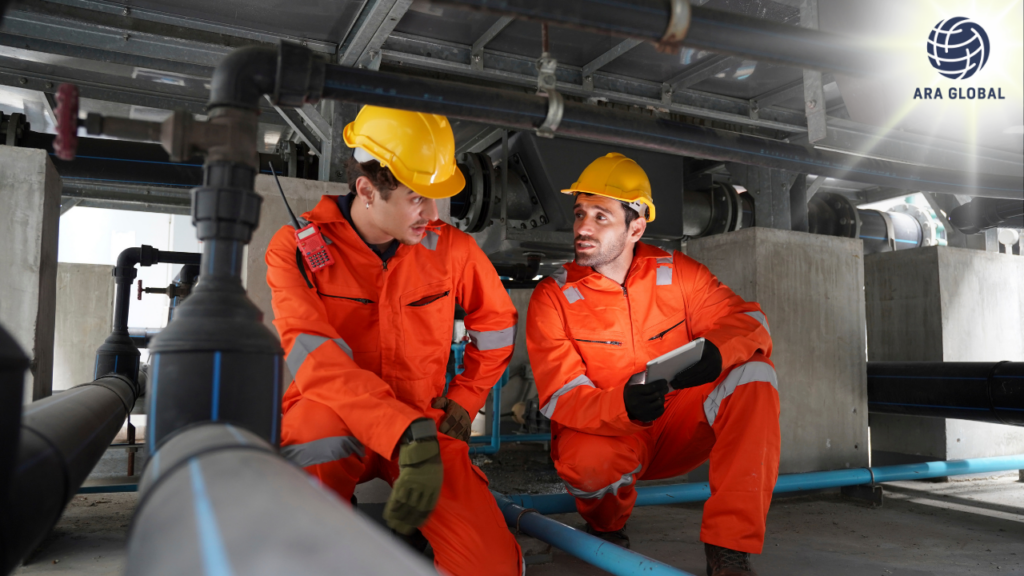
Safety observation tours are one of the most effective ways to identify unsafe conditions before they lead to accidents. Unlike routine inspections that focus on compliance, observation tours encourage leaders to walk through the workplace, interact with employees, and identify potential risks in real working conditions. As a result, organizations can correct hazards early and create a stronger safety culture.
Waiting until an incident occurs is never the best approach. Instead, regular workplace observations help organizations recognize warning signs, address unsafe practices, and continuously improve workplace safety.
What Are Safety Observation Tours?
A safety observation tour is a planned walk-through of the workplace conducted by supervisors, managers, or safety professionals. The purpose is to observe daily operations, identify hazards, and engage employees in conversations about safety.
These tours are not designed to find fault or blame employees. Instead, they focus on understanding how work is performed and identifying opportunities to make tasks safer.
When carried out consistently, observation tours become a proactive safety practice rather than a compliance requirement.
Why They Matter in Manufacturing
Manufacturing facilities are constantly changing. Machines operate continuously, materials move between workstations, and employees perform different tasks throughout the day.
Because of these changing conditions, new risks can appear without warning.
Regular workplace observation helps organizations detect issues such as:
- Unsafe work practices
- Damaged equipment
- Poor housekeeping
- Missing machine guards
- Blocked emergency exits
- Improper use of personal protective equipment (PPE)
Finding these problems early reduces the likelihood of injuries and costly downtime.
Focus on Hazard Observation, Not Fault-Finding
One common misconception is that observation tours are used to evaluate employee performance.
In reality, the goal is hazard observation.
Instead of asking, “Who made a mistake?” ask questions like:
- What could go wrong here?
- Are employees exposed to unnecessary risks?
- Are current safety controls working effectively?
- Is additional training required?
This approach encourages employees to participate openly because they understand the objective is improving safety not assigning blame.
Plan Every Observation Tour
Observation tours are most effective when they follow a structured process.
Before beginning the tour:
- Define the area to be observed.
- Review previous safety findings.
- Prepare an observation checklist.
- Inform supervisors about the visit.
- Allocate enough time to observe normal work activities.
Planning ensures the tour remains focused and productive instead of becoming a casual workplace walk.
Engage Employees During the Tour
Employees often notice risks that supervisors may overlook.
Take time to ask simple questions such as:
- Do you face any safety concerns during this task?
- Is your equipment working properly?
- Have there been any near misses recently?
- What improvements would make your work safer?
These conversations often reveal practical issues that formal inspections may not identify.
Additionally, involving employees builds trust and encourages them to report hazards more confidently.
Record Findings and Act Quickly
Observation tours only create value when findings lead to action.
Document every hazard, unsafe condition, or improvement opportunity identified during the tour.
Then:
- Prioritize high-risk issues.
- Assign corrective actions.
- Set realistic completion dates.
- Verify that improvements have been implemented.
Following up demonstrates that safety concerns are taken seriously and encourages employees to continue reporting hazards.
Common Hazards to Look For
During hazard observation, pay attention to:
- Slippery floors
- Exposed electrical wiring
- Damaged machine guards
- Poor material storage
- Unsafe lifting practices
- Obstructed emergency exits
- Inadequate lighting
- Missing warning signs
- Incorrect PPE usage
Even small issues can contribute to larger incidents if they remain unresolved.
Safety Observation Tour Checklist
Use this simple checklist during every tour:
- Are employees following safe work procedures?
- Are machine guards installed correctly?
- Is PPE being used properly?
- Are walkways and emergency exits clear?
- Are hazardous materials stored safely?
- Have previous safety observations been addressed?
- Are employees reporting unsafe conditions?
Is housekeeping maintained throughout the work area?
Using a consistent safety observation tour checklist helps organizations identify trends and continuously improve workplace safety.
Benefits Beyond Compliance
Many organizations conduct workplace inspections to satisfy regulatory requirements.
However, safety observation tours offer additional benefits.
They help organizations:
- Identify hazards before incidents occur
- Strengthen communication between leaders and employees
- Improve employee participation
- Reduce unsafe behaviors
- Support continuous safety improvement
- Build a stronger reporting culture
Over time, these benefits contribute to a safer and more engaged workforce.
Make Observation Tours Part of Your Safety Culture
Observation tours should not happen only after an incident or before an audit.
Instead, schedule them regularly and involve leaders from different departments.
When employees see managers actively participating in workplace observation, they recognize that safety is a shared responsibility rather than a box to check.
Consistency turns observation tours into a valuable part of everyday operations.
Conclusion
Safety observation tours help organizations identify hazards before they become accidents. By focusing on hazard observation, engaging employees, and acting on findings, manufacturing companies can reduce risks and strengthen their overall safety performance.
At ARA Global, our experienced safety professionals help organizations build proactive safety programs through workplace observations, safety audits, practical training, and digital safety management solutions. We also support businesses with compliance monitoring and monthly audit management software to improve workplace safety continuously.
To create a safer and more proactive workplace, connect with our team or email sales@araglobalinc.com.
