
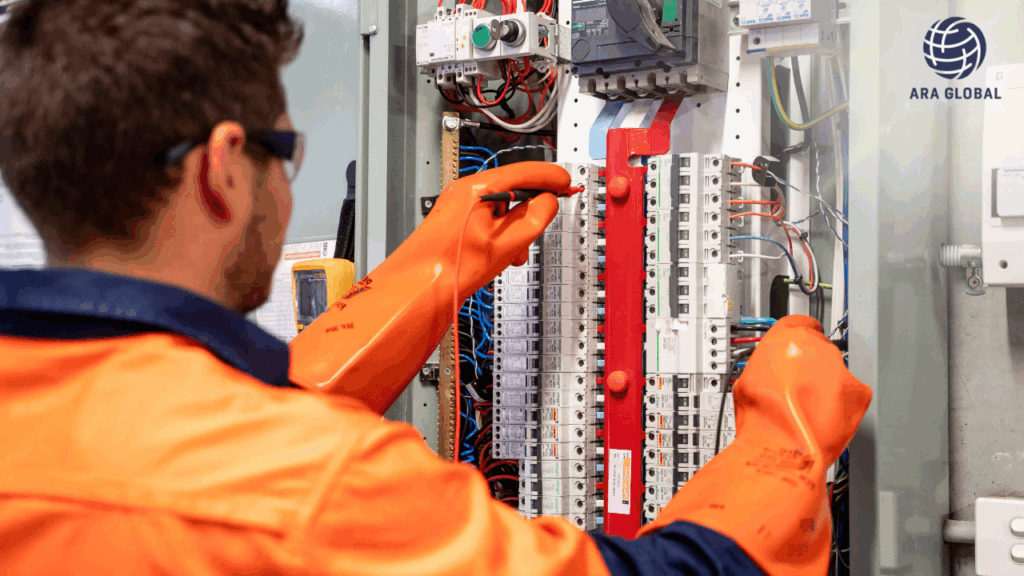
In many workplaces, electricity blends into daily operations so smoothly that teams stop noticing the risk. A loose cable, a temporary power extension, or an overloaded panel often feels routine. However, when something fails, the impact escalates instantly. Equipment damage, sudden shutdowns, and serious injuries usually follow without warning.
This is where electrical safety management at work becomes critical. Organizations that treat electrical risks as operational hazards, not technical issues, gain better control over safety outcomes. Leaders who understand these risks early protect people, assets, and continuity at the same time.
Electrical risks rarely come from complex failures
Most electrical incidents do not begin with advanced system faults. They start with everyday conditions that teams overlook. Damaged insulation, exposed conductors, and improvised connections create silent risk across work areas. Because these conditions develop gradually, teams normalize them.
In practice, electrical hazards grow when responsibility becomes unclear. Operations teams assume maintenance will handle it. Maintenance assumes systems remain stable. Over time, this gap increases exposure. Electrical safety management at work closes this gap by defining ownership and visibility before incidents occur.
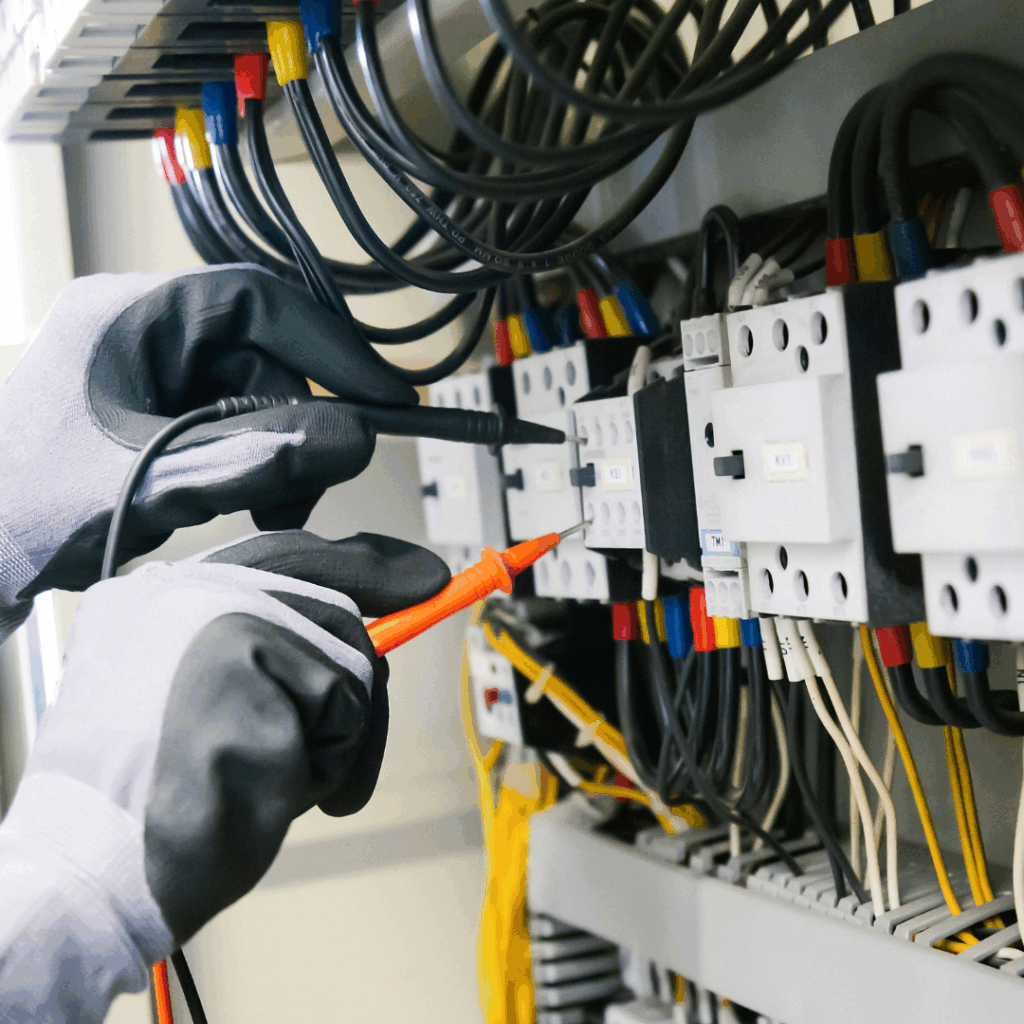
Human behavior plays a larger role than equipment
Electrical systems do not fail on their own. People interact with them daily. Temporary fixes, rushed repairs, and work under pressure increase risk significantly. At the same time, experienced workers may rely on habit rather than assessment.
However, effective electrical safety does not depend on strict enforcement alone. It depends on how teams think about risk during normal work. When organizations connect electrical awareness to daily decision-making, unsafe shortcuts reduce naturally. This approach aligns closely with broader discussions around behavioral safety, which ARA Global addresses in its pillar blog on safety culture and risk ownership.
Control measures must adapt to real operating conditions
Many organizations document electrical controls clearly, yet struggle during execution. Site conditions change, workloads fluctuate, and equipment usage expands beyond original design. When controls remain static, risk returns quickly.
Over time, organizations that succeed review electrical controls in the context of operations, not documentation. They align inspections, isolation practices, and maintenance planning with how work actually happens. This is where electrical safety management at work connects directly to enterprise risk frameworks and operational resilience.
Electrical safety links directly to business continuity
Electrical incidents rarely stay isolated. A single failure can stop production lines, disrupt digital systems, and affect downstream operations. Recovery often costs more than prevention, both financially and reputationally.
Because of this, electrical risk management should sit alongside operational risk reviews, not below them. When leadership teams integrate electrical safety into broader safety management systems, they gain clearer insight into hidden vulnerabilities. ARA Global supports this integration through its safety consulting and risk management solutions, which focus on aligning technical safety with operational priorities.
Connecting electrical safety to overall risk management
Electrical safety does not exist in isolation. It connects directly with fire safety, equipment safety, and process risk management. Faulty wiring often triggers fire incidents. Improper isolation leads to maintenance injuries. These overlaps explain why organizations benefit from viewing electrical safety as part of a wider safety ecosystem.
Within the Electrical Safety cluster, this topic naturally complements deeper discussions on electrical risk assessments and energy isolation practices. When teams approach these risks together rather than separately, control improves, and incidents decline over time.
Conclusion
Electrical risks remain predictable, even if outcomes feel sudden. Organizations that recognize early warning signs and act consistently reduce exposure significantly. Electrical safety management at work succeeds when leaders treat it as an operational responsibility, not a technical afterthought.
As work environments evolve, safety systems must evolve with them. Reviewing how electrical risks fit into your broader safety framework often reveals opportunities for stronger control and better decision-making. A thoughtful conversation at the right time can prevent the kind of incident no organization wants to explain later.
Our certified electrical safety experts bring real-world expertise and have supported diverse sites with structured assessments. Moreover, we offer integrated software for compliance tracking and monthly audit reporting with clarity. To explore tailored safety solutions for your workplace, reach out to our sales team or write to sales@araglobalinc.com
